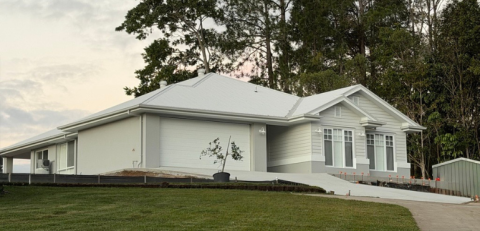
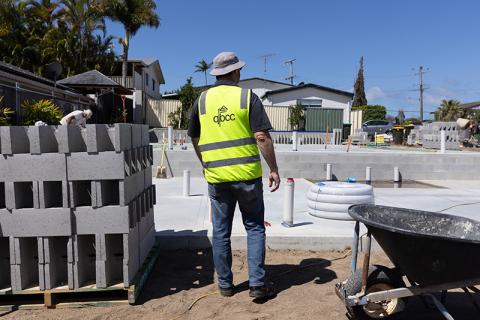
For QBCC licensees, this reality offers both responsibility and opportunity. By upskilling in resilient building methods, licensees can build capability, help safeguard communities and stand out in a competitive market.
The Queensland Reconstruction Authority (QRA) summarises this well - resilient design improves how we prepare for, respond to and recover from disasters, reducing long-term physical, financial, social and emotional impacts for home owners.
For the building industry, this aligns strongly with the QBCC’s philosophy for continuous improvement and underscores our belief that prevention is always better than cure - focusing on proactive measures that reduce future risk.
Resilient building skills are essential in today’s environment
Queensland is among Australia’s most disaster impacted states, with flooding the most frequent natural hazard.
While we cannot prevent severe weather, resilient construction can meaningfully reduce its impact. Smarter design, tailored materials and improved construction practices help reduce damage and recovery time. This protects households, lowers insurance costs and speeds up a ‘return to normal’ after a weather event.
For licensees, developing these skills is quickly becoming industry best practice and a core part of demonstrating professional growth and continuous improvement.
What resilient building looks like
Flood resilience
Flood-resilient design adapts materials, construction methods and layouts to minimise damage when water enters a home. The QRA has outlined practical strategies that significantly reduce flood impacts, particularly in high-risk areas.
Key methods include:
- using water-resistant materials
- designing for easy clean-up
- elevating electrical systems
- enabling fast drainage
- ensuring timber framing is sufficiently dry before re-sheeting.
Cost-benefit analyses show strong returns on investment in flood-resilient construction, with payback periods as short as one year in some cases.
Cyclone and storm tide resilience
Homes along our cyclone-prone coastline require careful attention to wind loads, water ingress and debris impact. Recent research from the James Cook University Cyclone Testing Station (CTS) highlighted by the QBCC shows that even compliant products can fail under actual cyclonic conditions - doors can leak during pressure surges, and unsecured solar panels can become dangerous projectiles.
Upskilling enables licensees to:
- install reinforced battens and correct screw patterns
- ensure proper bracing and batten spacing
- secure solar panels effectively.
Incorporating similar construction methods to those used in safe-rooms means even small upgrades can significantly improve structural resilience
Bushfire resilience
Bushfire-resilient design includes landscaping choices, ember protection and selecting ignition-resistant materials. QRA and CSIRO guidance offers best practice recommendations for improving performance in new and existing homes.
A competitive advantage for licensees
Customers are increasingly drawn to builders who not only deliver high standards but offer future proofing solutions. For licensees, this is where continuous improvement shines. Each project is an opportunity to refine techniques and demonstrate leadership in an evolving industry.
How you can start upskilling today
Explore the QRA’s guidance on resilient homes – covering design strategies and construction methods: Reslient homes
Review the QBCC’s cyclone ready vision – including practical upgrades, CTS research and emerging resilience rating systems : Beyond compliance: QBCC's vision of cyclone ready homes.
Integrate resilience into everyday practice – even small choices, like specifying water-resistant materials or improved fixings, strengthen outcomes.
Promote your skills – highlight your commitment to prevention, resilience and professional growth.
Beyond compliance: Ensuring a more resilient Queensland today for tomorrow
Queensland’s licensees are essential not only for rebuilding after disasters but for preparing communities before the next one occurs. By placing continuous improvement and preventative practice at the centre of your work, you contribute to safer homes, stronger communities and a more resilient Queensland.