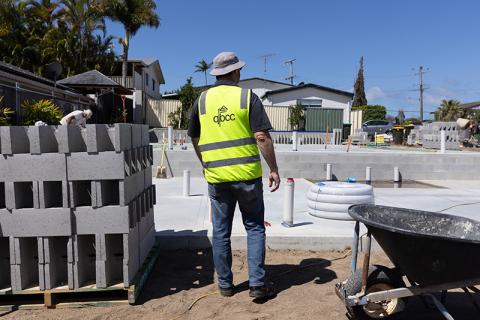
Clearer accountability for defective work—refined DTR process
Queensland home owners deserve confidence that their building work is completed to the right standard. At the same time, licensees deserve a process that is fair, transparent and easy to understand. To support both outcomes, the QBCC is refining how accountability is applied through the new Direction to Rectify (DTR) Guideline.
These DTR refinements take effect from 30 March 2026 and provide clear guidance on the order in which directions may be issued, who they may be issued to and what responsibilities apply at each stage.
What is changing
Importantly, this is not a change to the law. The DTR process remains the same. What is changing is how we explain and apply the process—so that industry has clear expectations, better visibility of decision making and a consistent experience.
The refined approach focuses on ensuring defects are addressed efficiently, at the right level, and by the licensee best positioned to complete rectification.
How the refined process will work
Under the clarified approach:
- Where a defect is clearly caused by a licensed subcontractor, the QBCC may issue a DTR to that licensed subcontractor first. This gives them the opportunity to rectify their own work, while the principal contractor remains responsible for facilitating access and supervising rectification activities.
- If a licensed subcontractor does not comply with a DTR, the QBCC may take disciplinary action and, if necessary, issue a subsequent DTR to the principal contractor so the work can be completed.
- Where responsibility for the defect is unclear—particularly where multiple trades and interfaces are involved—the DTR will be issued to the principal contractor. As the party responsible for managing the head contract and supervising subcontracted work, the principal contractor is best placed to coordinate rectification or provide evidence about the likely cause.
This clear sequencing strengthens fairness and ensures that defective work is addressed by the appropriate licensee at the earliest possible opportunity.
Why this matters
Industry has called for greater consistency and transparency around how accountability is applied. The refined approach responds directly to that feedback.
By setting a clear pathway for resolving defects, we:
- support better quality outcomes for home owners
- reduce disputes and confusion between principal contractors and licensed subcontractors
- improve fairness for licensees who maintain strong supervision and quality assurance practices
- encourage improved recordkeeping and site management across the industry.
Improvements in documentation and onsite practices can make a significant difference. When work is performed to a high standard—and detailed records are kept—licensees are better positioned to demonstrate that quality if an issue arises.
What licensees should do
To support a smooth transition, licensees can strengthen their practices by:
- ensuring subcontract agreements are in place
- keeping clear, organised records of payments, variations and quality assurance documentation
- taking photos that show compliant work before subsequent trades begin
- documenting supervision and key decisions on site.
These practical steps help clarify responsibilities and support fair outcomes under the refined process.
Working together to lift standards
These refinements have been shaped through ongoing engagement with industry representatives who share a commitment to lifting quality and strengthening accountability across Queensland’s building and construction sector.
By working together, we can support clear expectations, consistent outcomes and improved confidence for both licensees and consumers.
The QBCC is here to help. Please phone the QBCC’s contact centre on 139 333 between the hours of 8.30am to 5pm, Monday to Friday.