With the amendments in the National Construction Code (NCC) 2025, now’s the time to sharpen your knowledge and know-how on-site.
Waterproofing matters
Did you know waterproofing defects continue to be among the most costly and disruptive issues in construction?
According to our Industry Snapshot, they consistently rank among the top ten most common defective work complaints, reflecting a persistent challenge within the sector.
To put that into perspective, the financial toll of these defects is significant. Each residential bathroom claim finalised under the Queensland Home Warranty Scheme during the 2024–25 financial year averaged almost $25,000 in rectification costs.
The high cost highlights the significant impact of even minor waterproofing failures, highlighting the need for vigilance and quality assurance in waterproofing practices – seemingly small oversights can lead to major financial and reputational repercussions.
Based on inspections conducted by us, the most frequent waterproofing issues include:
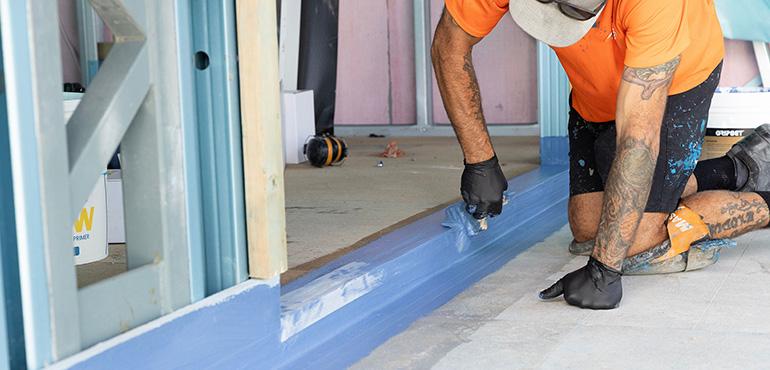
- incorrect waterproofing membrane applications
- tap fixtures being unsealed
- placement and termination of waterstops
- junctions not being reinforced.
What's changing with NCC in 2025?
Recent NCC proposed amendments aim to reduce water ingress risks and improve building performance across all classes, including Class 1 buildings.
Here's an overview of the changes:
- Mandatory slopes: New buildings must have sloped horizontal surfaces, like balconies, to prevent water pooling.
- Substrate preparation: Waterproofing membranes must now be applied directly to the structural substrate, not on top of screeds or toppings.
- Clearer compliance pathways: Creating easier ways to access and obtain waterproofing qualifications and more robust enforcement mechanisms.