Queensland Mental Health Week (3-11 October) is an opportunity to reflect on the importance of mental health and wellbeing in our workplaces, industries and communities.
Image
This year's theme, Build Community, Build Wellbeing, highlights the powerful role that connection, belonging and support play in helping people thrive.
The construction industry is built on strong foundations, skilled people and teamwork. From apprentices and tradies to business owners and supervisors, every person contributes to delivering the homes, buildings and infrastructure our communities rely on.
While construction can be rewarding, it can also be demanding. Meeting deadlines, managing workloads, responding to changing conditions and balancing business responsibilities can create pressures for workers and business owners alike.
Equally, for home owners building, renovating, or undertaking major insurance repairs, navigating the complexities of these projects and associated obligations can be both challenging and stressful. Such works often represents significant financial investment and carries risk and uncertainty.
That's why mental health and wellbeing matter.
Whether you're managing a construction business, working on site, building a new home, renovating, or undertaking major insurance repairs, having supportive relationships and access to reliable information can help build confidence throughout the process. Maintaining open communication, staying connected with others and seeking support when needed can make a positive difference during what can often be a significant and complex life event.
Connection matters
Positive mental health is influenced by many factors, including the quality of our relationships and support networks. This year's Queensland Mental Health Week theme recognises that community and connection are important protective factors for wellbeing.
Whether it's a conversation with a friend or colleague, a check-in between a builder and client, or support from family, friends or community networks, small acts of connection can make a meaningful difference.
Creating environments where people feel respected, included and comfortable seeking support, helps strengthen relationships and wellbeing.
Small actions can make a difference
Supporting wellbeing does not always require major changes. Everyday actions can help create healthier, more connected environments, including:
Taking regular breaks throughout the day.
Staying connected by making time for conversations and check-ins.
Looking out those around you who may need support.
Seeking assistance early when challenges arise.
Building a culture where people feel comfortable speaking up.
Available support
No one should feel they have to face challenges alone. A range of support services and resources are available to people working in the construction industry.
Organisations such as Beyond Blue, Lifeline and many others also provide free support to those beyond workplaces.
Seeking support is a sign of strength, and early conversations can often help people access the assistance they need.
Building a stronger industry and community together
We are strongest when we are supported.
This Queensland Mental Health Week, take the opportunity to check in with a colleague, client, friend or stranger or start a conversation about wellbeing. Small actions can help build stronger workplaces, stronger communities and a healthier industry for everyone.
Because when we build community, we build wellbeing.
Last reviewed: 6 Oct 2026Last published: 6 Oct 2026
Welcome from Angelo Lambrinos CEO and Commissioner
Image
We're focused on making it easier for you to do business with the QBCC.
That means improving our systems and services, providing clearer guidance, increasing transparency, and giving you practical tools that help you stay compliant, avoid common issues and spend more time focused on your business.
In this edition, you'll find updates on new digital services, contract and payment reminders, resources you can share directly with your clients, industry consultation opportunities, and insights into the improvements we're making based on your feedback.
We're also committed to listening. Over the coming months, we'll be sharing more about what we're hearing from industry surveys, the outcomes we're achieving, and how your feedback is helping shape our services and future improvements.
Thank you for the work you do every day to build Queensland. Your professionalism, expertise and commitment to quality help strengthen consumer confidence and support a safer, more resilient construction industry.
We’d love your feedback about Construction Connect. Take our quick, three-question survey to tell us how useful you find our updates and how we can make future editions even better.
New heat mapping tools helping the QBCC better support licensees
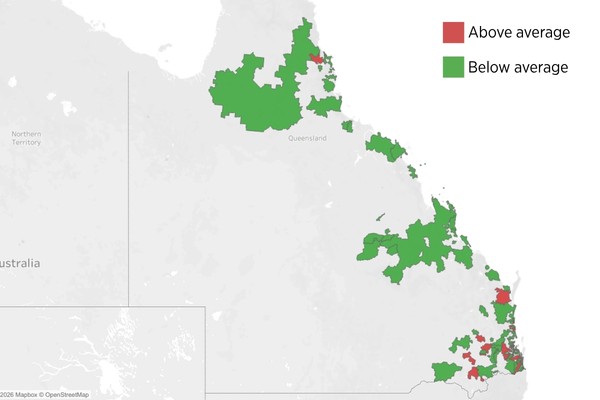
The QBCC is using new heat-mapping technology to improve frontline performance, enhance customer and licensee experiences and reduce red tape.
By analysing areas of active construction and overlaying this information with compliance findings, builder data and other information across Queensland, we can identify proactive site visit opportunities, focus education and compliance activities where they are needed most, and help licensees be compliant before issues arise.
The top 5 structural and non-structural defect reports for the financial year to date as of August 2026 are:
Structural defects
Roof cladding
Internal wet area waterproofing membranes
Drainage
External waterproofing membranes
Wall cladding
Non-structural defects
Painting
Joinery
Roof cladding
Floor tiling
Driveways and paths
These tools are part of our shift towards being a more proactive, data-driven regulator. Future enhancements, including a licensing heat map, will help us better understand local industry conditions, deliver targeted support to licensees, and identify areas where a shortage of licensed contractors may increase the risk of non-compliant building activity.
Image
Heatmap showing areas above and below average for defect reports.
New Compliance and Enforcement Strategy now available
The QBCC has published its Compliance and Enforcement Strategy 2026–2030, setting out a balanced approach to reducing harm, strengthening industry capability and building public confidence.
The Strategy was informed by engagement with industry associations, stakeholders and regulatory partners throughout its development. It describes how the QBCC is evolving to be a more proactive, intelligence-led, risk-based, data-driven and future-ready regulator.
The approach focuses on making obligations clearer, identifying risks earlier and directing regulatory effort where the potential harm is greatest.
To support compliance with notifiable work requirements, the QBCC conducts audits of plumbing and drainage licensees. These audits help protect public health and safety by ensuring notifiable work is correctly registered and available for inspection when required.
The 2025-26 audit program delivered strong results, with Form 4 notifiable work registration rates in targeted areas increasing by more than 15% compared with around 5% across Queensland.
The approved 2026-27 audit program is now underway. Random audits will be conducted across Queensland, focusing on areas where Form 4 and Form 4A registration rates are below expectations.
If selected for an audit, you may be asked to provide recent invoices to determine whether notifiable work has been undertaken. To assist the process, ensure invoices:
are legible
clearly describe the work performed
include the correct site address and building reference (where applicable).
Once reviewed, a QBCC audit team member will contact you if further information is needed. Unsure whether the work you performed is notifiable? Use our interactive tool or contact notifiablework@qbcc.qld.gov.au for assistance.
First Owner-builder applications via the QBCC Portal
On 12 June 2026, Owner-builder applications were launched online, becoming the first QBCC applications live on the new-look QBCC Portal.
The benefits to applying online for an Owner-builder permit, means you will now be guided through each step, from initial application, through assessment, status updates and payment once the permit is approved. This also reduces the risk of errors and delays.
Owner-builders permits were selected as the first digital service because we receive a high volume of these applications, but they are less complex to process than many trade licences. This gives us the opportunity to test and refine the process before we expand to more complex licences.
Since the launch, 46 per cent of all Owner-builder applications have been lodged via the QBCC Portal—with further licence-specific applications due to be added in the coming months. This QBCC initiative is also a national finalist in the Australian Institute of Project Management awards.
As we continue to modernise and new applications become available on the QBCC Portal, greater self-servicing options will be available to you. In addition to lodging Owner-builder applications you can use the QBCC Portal to search a register, pay insurance or submit notifiable plumbing work. If you don't have a QBCC Portal account register now.
QBCC digital licences gaining popularity
More than 13,000 QBCC digital licences have been downloaded since launching on the Queensland Digital Licence app less than a year ago. In a recent survey, more than half of users said they are more likely to use their digital licence than their physical card.
Why go digital?
No waiting for a replacement, renewed or updated licence card. \
Store multiple QBCC licences in one place.
Quickly check your licence status.
Verify another QBCC licence on the spot.
Access your licence from your phone when you need it.
Your digital licence can be used alongside your physical card, giving you a secure and convenient way to carry your QBCC licence wherever you go.
A clear contract helps set projects up for success and can reduce the risk of disputes.
Before work starts, make sure your contract:
is in writing and signed by both parties
clearly outlines the scope of work, including exclusions
details costs, timeframes and responsibilities
complies with the QBCC requirements for deposits and progress payments.
Taking the time to get the contract right from the start can help manage expectations, protect both parties and support a smoother building experience.
Find more information and resources in the Contracts and Payments section of the QBCC Home Owner Hub, where licensees can guide customers to simplified building and construction assistance.
Don't forget about the Consumer Building Guide
Did you know contractors must provide home owners with the Consumer Building Guide, and have it signed and reviewed, before they sign a residential building contract valued at $20,000 or more? Make sure you're meeting your obligations and helping projects get off to a clear start: Learn more.
Image
Quick updates
We have been holding consumer roundtables around the state with home owners. Not only is this a chance to hear their experiences to refine our ways of working, but these are an opportunity to help inform the community about the Queensland Home Warranty Scheme, defective work complaints, their obligations during the building process and what we are seeing and doing across Queensland. Our aim is for more informed home owners and smoother build processes for all.
As part of our commitment to transparency, we have introduced a new Our Performance page on our website. Every month we will be updating our metrics to show you how we’re tracking in the four key result areas of regulatory impact, consumer protection, customer satisfaction and organisational culture.
A reminder that any individual or company contracting for plumbing and/or drainage work must hold the appropriate contractor licence for that work regardless of the value. In addition, anyone supervising or personally performing plumbing and/or drainage work must hold the appropriate occupational licence for the work they undertake on behalf of their employer. \
The Queensland Government has announced a range of updates to the Queensland Development Code to reflect contemporary design and siting practices for houses, as well as supporting more cost-effective housing construction without compromising high accessibility and energy efficiency standards. They have also introduced a new Queensland Housing Code to streamline planning and building applications. Read more in the Building and Plumbing Newsflash 640.
Got a question? We're here to help
Whether you're applying for a licence, seeking clarification about your obligations, or trying to better understand a decision, getting the right information early can save time and help you move forward with confidence.
Recently, a contractor contacted the QBCC to better understand the requirements for a project management licence.
After receiving tailored advice about how their experience would be assessed and the information needed to support their application, they shared:
"The knowledge and insights ... were exceptional. This has provided me with a much more positive experience than the previous responses I had received to this enquiry."
In another case, a licensee who underwent a financial assessment appreciated the support and communication they received throughout the process, even though the outcome was not what they had hoped for:
"Whilst it wasn't the outcome we had originally hoped for, I genuinely appreciated your professionalism, responsiveness and the practical way you handled the process from start to finish."
While the QBCC cannot always deliver the outcome a customer or licensee is seeking, we are committed to helping everyone transparently understand the processes, their responsibilities and the reasons behind our decisions.
And finally, our Mediation and Conciliation services continue to get outstanding feedback from those who choose to participate, with the most recent comment highlighting their "excellence, magnificence and unwavering support".
If you're unsure about something, or need further clarity or information about our services, decisions or outcomes, don't wait. Asking questions early can help avoid misunderstandings and keep matters moving smoothly.
Contact the QBCC Contact Centre on 139 333, Monday to Friday, 8.30am to 5.00pm.
Last reviewed: 1 Oct 2026Last published: 1 Oct 2026
Queensland's building regulator is heatmapping the state to help identify suburbs to concentrate support for home owners most at risk of defects and high-risk builders, while also providing guidance for the building industry.
Image
The Queensland Building and Construction Commission (QBCC) has been layering defect trends, high-risk licensees, and data from the Queensland Home Warranty Scheme across maps to pinpoint where inspectors and home owners should be paying closest attention.
QBCC CEO and Commissioner, Angelo Lambrinos, said the ‘Audit Mapper’ tells inspectors which areas to target and where intervention may be needed, before problems escalate.
"It gives us a much clearer picture of what's happening and where the risks are, so our inspectors can spend their time on the sites where there's a greater chance of a problem," Mr Lambrinos said.
"Discovering a leaking roof or water damage after you've moved in is the last thing any home owner wants. If we catch it during construction, we've got a much better chance at preventing it from becoming something much bigger."
The map also flags if unlicensed work has previously been detected at a work site, allowing the QBCC to go back and confirm the completed work is safe and compliant.
Between Cairns and Coolangatta, the most common Level 1 structural defects are roof cladding, internal wet areas, wall cladding, external waterproofing, and timber framing.
On the Gold Coast, the leading structural defects are wall cladding, roof cladding, external waterproofing, swimming pools and retaining walls.
In Toowoomba, they are roof cladding, internal wet areas, timber framing, metal framing and masonry.
In Townsville, the most common defects relate to roof cladding and drainage.
"What we see on the coast can look completely different from a regional area," Mr Lambrinos said.
"Coastal areas like the Gold Coast tend to see more pool and cladding issues, while regional centres like Toowoomba deal with different challenges, like masonry and waterproofing,” he said.
The ‘Audit Mapper’ tool has already supported more than 4,000 proactive QBCC inspections of active construction sites, where matters can be identified and fixed on site before becoming an issue.
This proactive approach helps contribute to the industry’s quality work, which sees 98 per cent of work completed without the need to lodge a claim under the Queensland Home Warranty Scheme, the compulsory government financial protection for Queenslanders undertaking eligible residential construction work.
The QBCC is also using the data to engage builders earlier when risks start to repeat or increase, helping improve supervision and construction practices before problems escalate.
Mr Lambrinos said the tools give builders and home owners greater confidence throughout the process.
"Most builders want to do a good job, and this gives us a chance to work with them when we see something that needs attention," Mr Lambrinos said.
"For home owners, this is about having greater confidence that someone is looking for the problems they may not be able to see themselves.
"We want to see fewer Queensland home owners discovering serious defects after they've moved in, and more problems being detected and fixed before they ever get that far."
Home owners are urged to do their homework before starting a project and use the QBCC’s Home Owner Hub to guide them through the process. Owners who use a licensed contractor are protected through the QBCC’s Home Owner Warranty Scheme.
Home owners, licensees and industry stakeholders have consistently told us they want services that are easier to access, faster, more transparent and more consistent.
Image
Over the past 12 months, the QBCC has focused on delivering against that feedback through improvements to dispute resolution, digital services, consumer education and frontline service delivery.
Since commencing as QBCC Commissioner and CEO in May 2025, Angelo Lambrinos has met with home owners, tradies, licensees, industry bodies and other stakeholders across Queensland to better understand what customers expect from their regulator. Through more than 90 stakeholder meetings, industry taskforces and consumer roundtables, several priorities consistently emerged.
Customers told us they wanted:
services that are simpler, faster and increasingly digital
a regulator that is easier to deal with
decision-making that is transparent, fair and consistent
support that helps prevent issues before they arise.
These priorities continue to shape the work underway across the organisation.
Delivering faster outcomes
One of the strongest messages from stakeholders has been the need for more timely outcomes.
Over the past year, the QBCC has introduced a range of business process improvements aimed at reducing delays and improving customer experience.
As a result, compliance investigation queues have reduced significantly, while first contact resolution of customer complaints has improved from around 7% to 20% over the past six months.
The QBCC has also expanded its Mediation and Conciliation service, providing an faster pathway for suitable building disputes to be resolved before progressing through more formal processes.
Where matters are suitable for mediation and conciliation, around 70% are agreed within an average of 32 days.
For customers, this means faster outcomes and fewer disputes escalating into lengthy and potentially costly legal processes.
Helping home owners get it right from the start
The QBCC believes prevention is better than cure.
Customer research consistently shows many home owners only engage with the QBCC after a problem has occurred. To help change this, the Home Owner Hub was launched in July 2025 to provide practical guidance throughout every stage of the building and renovation journey.
Since launch, the Home Owner Hub has attracted more than 120,000 visits. The launch has also coincided with increased use of the QBCC's licence search tools, with more than 610,000 licence register searches conducted by consumers.
These figures suggest more Queenslanders are checking licences, understanding their obligations and taking steps to make informed decisions before work begins.
Making it easier to do business with us
Another common theme from industry has been the need for simpler and more accessible services.
Over the past 12 months, the QBCC has continued to modernise its systems and services to make everyday interactions easier for customers.
More than 12,000 digital licences have been issued since the introduction of digital licensing, allowing licensees to access and manage their licences more easily. More than 40% of licence applications are now submitted electronically, reducing paperwork and improving accessibility.
Behind the scenes, improvements to digital systems and processing are helping reduce administrative effort, improve consistency and support quicker service delivery.
The QBCC has also worked with government and stakeholders to reduce unnecessary administrative requirements for industry, including the removal of annual financial reporting obligations for approximately 50,000 licensees.
Supporting industry and protecting consumers
The QBCC regulates a $69 billion building and construction industry and supports around 130,000 licensees across Queensland.
While building disputes can have a significant impact on those involved, they represent a relatively small proportion of overall building activity.
At any point in time there are approximately 900,000 active Queensland Home Warranty Scheme policies in place. In 2025-26, almost 199,000 policies were issued and fewer than 2,000 claims were received. Around $56 million was paid through the scheme to support eligible home owners when things go wrong.
The QBCC is also using data and technology to better support industry, target resources where they are needed most, and improve outcomes for consumers.
One example is the introduction of location-based intelligence tools that help identify areas of active construction activity across Queensland. Through its Audit Mapper heat-mapping capability, the QBCC can better target onsite audits, provide timely education and support to licensees during the building process, and identify areas of non-compliance that may impact consumers or the wider industry.
This intelligence-led approach supports more targeted education, engagement and compliance activity, including more than 1,100 site visits undertaken across Queensland.
The QBCC is also using Queensland Home Warranty Scheme data to better understand where different types of residential building work are occurring across the state. These insights help inform targeted education and engagement activities, ensuring information and support are directed to the regions and sectors where they are likely to have the greatest impact.
Building on this work, the QBCC is developing additional mapping capabilities to better understand the distribution of licensees across Queensland. This will help identify areas with limited access to licensed contractors, support local industry engagement and assist the QBCC in directing resources to areas of emerging risk or opportunity.
In addition, QBCC officers proactively inspected more than 1,600 buildings under construction during 2025-26, helping identify issues early, promote compliance and support better building outcomes.
Together, these initiatives are helping the QBCC make more informed decisions, improve regulatory oversight and support a fair and competitive building and construction industry.
Continuing to improve
While progress has been made, the work is not complete.
The QBCC remains focused on improving responsiveness, strengthening transparency, modernising services and helping Queenslanders make informed decisions before problems arise.
The past 12 months have been about listening, learning and acting on feedback.
As the organisation continues to evolve, our focus on customers, consistency and practical outcomes will remain at the centre of everything we do.
Last reviewed: 25 Aug 2026Last published: 25 Aug 2026
Building or renovating can be one of the biggest investments you'll make.
Image
Recent research undertaken by the Queensland Building and Construction Commission (QBCC) involving 556 Queensland property owners who had recently completed the QBCC dispute process found that almost half of surveyed home owners (48%) were undertaking their first building project, while 39% of surveyed home owners experienced at least one issue during their project. The research also highlighted common areas of confusion, including what the QBCC-administered Queensland Home Warranty Scheme (QHWS) covers, who is responsible for different aspects of a project, and where to go for help when things don't go to plan.
The good news is that many of these answers are available before work even begins. The QBCC's Home Owner Hub brings together practical guides, checklists and resources to help home owners make informed decisions, understand their obligations and avoid common pitfalls throughout their building journey.
Start with the basics before signing a contract
The research found that home owners consistently wished they had more practical knowledge before beginning their build or renovation. Many recommended researching contractors, checking licences, understanding contracts, learning about approvals and becoming familiar with their rights before work starts.
Before signing a contract, it's important to understand the scope of works, payment schedules, timeframes and your responsibilities as a home owner. It's also worth checking that your contractor is appropriately licensed for the work they're undertaking.
The Home Owner Hub includes practical information on choosing a contractor, understanding residential building contracts, checking licences and knowing what approvals may be required before work begins. These resources can help you ask the right questions and make informed decisions before committing to a building project.
You can also use the QBCC's free Licensee Register to check a contractor's licence history before engaging them.
Understanding the QHWS
The research found there is still confusion about the QHWS, with only 45% of surveyed policy holders aware there are time limits for lodging a claim. The findings also showed many home owners mistakenly believe the QHWS operates like general insurance and covers every issue that may arise during a building project.
While the QHWS provides valuable protection for eligible residential construction work in specific circumstances, it's important to understand that eligibility requirements and claim timeframes do apply, and policy holders should be familiar with these.
The Home Owner Hub contains dedicated information about the QHWS, including eligibility requirements, claim timeframes and the protections available to Queensland consumers. Taking the time to understand these details before building begins can help ensure you're aware of your rights and responsibilities if problems arise later.
In 2025-26, the QBCC-administered QHWS provided cover for almost 199,000 residential building projects across Queensland, including more than 35,000 new homes and almost 164,000 renovations and additions, while paying $55.7 million in claims to support home owners when eligible residential building work was not completed or was defective.
Knowing who's responsible
A successful building project relies on everyone understanding their role.
QBCC research found many property owners are unclear about their responsibilities, as well as that of contractors, local councils and the QBCC. In fact, more than half of surveyed property owners (53%) said the QBCC did not help them understand its role and what assistance it could provide in relation to their complaint.
For example, contractors are responsible for carrying out contracted work to the required standard, while local councils generally manage planning and development approvals. The QBCC regulates Queensland's building and construction industry and administers the QHWS, but there are limits to what the QBCC can investigate or enforce.
Understanding who is responsible for what can help avoid frustration and ensure issues are directed to the appropriate place. The Home Owner Hub's step-by-step guidance through the building and renovation journey can help home owners better understand these responsibilities and make informed decisions along the way.
First-time renovator? You're not alone
For many Queenslanders, a renovation or building project is something they may only undertake once or twice in their lifetime. The QBCC’s research found that 48% of property owners navigating a dispute were undertaking their first building project.
Terms such as variations, progress payments, approvals and defects can be unfamiliar, making the process feel overwhelming at times. That's why seeking information early is one of the most effective ways to prepare. The Home Owner Hub includes practical guides, checklists and educational resources designed specifically for home owners. Whether you're planning a bathroom renovation, an extension or a new home, the Hub's five-stage building journey can help you understand what to expect at each stage of your project and avoid some of the common mistakes experienced by first-time renovators.
What to do if something goes wrong
Even with careful planning, issues can sometimes arise during a building project. The research found many home owners only engage with the QBCC once a problem has developed, rather than seeking information earlier in their building journey.
If concerns arise, it's important to communicate with your contractor as early as possible and keep clear records of all interactions. Contracts, invoices, emails, photos and approved variations can be invaluable if a disagreement occurs later.
The research also highlighted the importance of setting realistic expectations. Nearly two-thirds of property owners (63%) said the timeframe they expected for resolving their complaint was not met, with many expecting a resolution within three months. However, the process often took longer. Additionally, 75% said they would have preferred more communication throughout the complaints process.
The Home Owner Hub includes a dedicated section on help with building issues and disputes, including guidance on the steps home owners should take before lodging a complaint. The QBCC also provides information about complaints and disputes, including what types of matters it can and cannot assist with. Understanding the process before issues arise can help ensure expectations are realistic and that you have the information you need if a problem occurs.
Building with confidence
The research highlights an important takeaway: informed home owners are better placed to make confident decisions and navigate challenges throughout their building journey.
Whether you're planning your first renovation, looking to better understand the QHWS, checking a contractor's licence or seeking guidance on resolving a building issue, the QBCC's Home Owner Hub is designed to help.
Before your next project begins, take some time to explore the Home Owner Hub and make use of the free information and resources available. The more you know before work starts, the better prepared you'll be to build, renovate and maintain your home with confidence.
Last reviewed: 13 Aug 2026Last published: 13 Aug 2026
The QBCC has released its first annual regulatory intelligence trends report, offering a strategic snapshot of the evolving and established trends influencing Queensland’s building and construction regulatory environment.
Image
The Regulatory Intelligence Annual Trend Analysis FY2025–26 indicates Queensland’s building and construction industry continues to operate in a complex and fast-changing environment, shaped by strong housing demand, major infrastructure investment, workforce constraints, affordability pressures and ongoing market adjustment.
It also highlights a resilient industry that continues to face risks affecting project delivery, business performance, and consumer confidence.
Importantly, the analysis does more than reflect on the year that has passed. It also provides a forward-looking evidence base to support regulatory planning and decision-making for FY2026–27.
By identifying patterns as they emerge, the QBCC can strengthen early warning monitoring, target regulatory resources effectively, and respond proactively to changing industry conditions.
As a result, the QBCC’s near-term regulatory priorities will focus on the issues most likely to influence industry stability, compliance and outcomes for Queensland consumers over the coming months.
These include:
1. Monitoring housing delivery conversion
Increasing housing supply remains a key priority across Queensland. However, approvals alone do not deliver homes.
The QBCC will continue monitoring how effectively approved housing projects progress through construction and reach completion.
This will be done by analysing a range of housing, construction, and regulatory data sources, including building approvals, construction commencements, work done, dwelling completions, the Queensland Home Warranty Scheme activity, workforce indicators, and builder viability trends.
The analysis will help identify whether approved housing projects are progressing through construction and reaching completion, and where emerging pressures may be affecting housing supply.
Understanding where projects are succeeding—and where they may be stalling—provides important insights into the effectiveness of policy settings, investment programs and infrastructure activation.
By tracking the journey from approval to completion, we can help identify barriers affecting housing delivery and contribute valuable intelligence to support better housing outcomes for Queenslanders.
Ultimately, our focus is on ensuring housing approvals translate into real homes for Queensland communities.
2. Strengthening early warnings for builder viability
Financial pressures remain a challenge across parts of the construction industry. Rising operating costs, labour shortages, cash-flow pressures, and changing market conditions can increase business stress and create risks for project delivery.
The QBCC will continue to monitor indicators that may signal emerging viability concerns about our licensees, including:
project delays or pauses
contract repricing activity
staged project delivery
payment delays
significant contract variations
subcontractor withdrawals
fixed-price contract exposure.
Using a range of intelligence sources, we are strengthening our ability to identify risks earlier and better understand trends affecting industry stability.
This proactive approach supports more informed regulatory decision-making while helping minimise impacts on consumers, businesses and projects.
3. Maintain consumer protection focus
Protecting consumers remains at the heart of the QBCC’s regulatory role.
Over the coming months, we will continue to focus on issues such as unlicensed work, licence verification, defect visibility and affordability-driven complaint trends.
These priorities will be supported through compliance audit campaigns and ongoing educational engagement with licensees across Queensland.
We are also expanding our use of digital tools and data analytics to identify and map higher-risk licence holders. This allows us to better understand where defects occur most frequently, identify emerging risk patterns and target regulatory effort where it is needed most.
Rather than applying a one-size-fits-all approach, this intelligence-led model helps us deliver more timely, effective and proportionate regulatory outcomes.
4. Strengthening contract and dispute intelligence
Contract variations, extensions of time, cost-relief requests and payment disputes are often early indicators of pressure within the construction market.
The QBCC will continue monitoring these trends to better understand emerging risks and identify where guidance, early intervention or regulatory attention may be required.
As affordability pressures continue to affect both home owners and contractors, maintaining visibility over dispute trends is increasingly important. These insights help us better understand consumer concerns, industry challenges and changing market conditions.
Maintaining confidence in the construction industry requires strong oversight, transparent processes and clear pathways for consumers to raise concerns and seek resolution when issues arise.
5. Strengthening governance and audit traceability
Public confidence in the construction sector relies on strong governance, transparency and accountability.
The QBCC will continue to monitor developments arising from the CFMEU Inquiry, alongside contractor vetting processes, probity controls and documentation standards, particularly across high-risk or high-profile projects.
Good record-keeping and robust audit trails remain critical for demonstrating compliance and supporting accountability throughout the construction process.
For licensees, clear documentation provides the evidence needed to demonstrate quality work and support decision-making if concerns arise.
Practical steps builders and contractors can take include:
maintaining clear subcontractor agreements
keeping payment records and quality assurance documentation
recording site progress through photographs
retaining evidence that work was completed appropriately before subsequent trades commenced.
Strong documentation practices can help reduce disputes, improve accountability, and support better building outcomes across the industry and for consumers.
6. Monitoring workforce and supervision risk
Workforce availability continues to be one of the industry’s most significant challenges.
In addition, Queensland’s licensed contractors are facing a skills shortage and an ageing workforce with more than one third (38%) aged over 55. To put that into perspective, over the next decade, one third of licensees will be looking to retire and yet only 6% of licensees are under 30 years of age.
The QBCC will continue to monitor trends in apprenticeships, trade availability, regional workforce shortages and supervisory capacity across the sector.
Where businesses are operating with reduced workforce availability, risks to quality, compliance and project delivery can increase. Effective supervision remains critical to maintaining standards and ensuring work is completed in accordance with regulatory requirements.
By understanding workforce pressures and their impacts, the QBCC can identify areas where additional education, industry support or regulatory attention may be needed.
7. Targeted regional and high-pressure locations
Regional Queensland and rapidly growing areas often face unique construction challenges.
Higher freight costs, strong housing demand, workforce shortages and competition from major infrastructure projects can create additional pressure on project delivery and industry capacity.
The QBCC will continue monitoring locations where these factors intersect, particularly where they may affect construction quality, completion timeframes or consumer outcomes.
This intelligence-led approach helps us identify communities where additional compliance activity, education programs or stakeholder engaent may be required to support sustainable building activity and protect home owners.
Through proactive regulation and evidence-based decision-making, we will continue working to support a safe, sustainable and trusted building and construction industry for all Queenslanders.
Last reviewed: 10 Aug 2026Last published: 10 Aug 2026
August is Tradies National Health Month, a national initiative lead by the Australian Physiotherapy Association (APA), that raises awareness of the physical and mental health challenges facing Australian tradespersons.
Image
Across Queensland, tradies and building professionals play a vital role in constructing and maintaining the homes, schools, workplaces and community infrastructure we rely on every day. Their skill, dedication and hard work help build the communities where we live, work and connect. Across Queensland, tradies and building professionals play a vital role in constructing and maintaining the homes, schools, workplaces and community infrastructure we rely on every day. Their skill, dedication and hard work help build the communities where we live, work and connect.
However, working in the building and construction industry can place significant demands on physical and mental wellbeing. Long hours, physically demanding work, business pressures and tight deadlines can all take a toll.
That's why Tradies National Health Month is an important reminder to prioritise health, seek support when needed and check in with the people around us.
One conversation can make a difference
Looking after wellbeing doesn't always require a big gesture. Sometimes it starts with a simple conversation.
Whether it's a workmate, apprentice, employee, employer, friend or family member, taking the time to ask, "How are you going?" can help someone feel supported and connected.
A chat over a break.
A quick phone call.
A conversation at the end of the workday.
These small moments can make a meaningful difference.
Supporting a stronger industry
At the QBCC, we're proud to support an industry built on the hard work and commitment of Queensland tradies and building professionals.
Tradies National Health Month provides an opportunity to raise awareness of the support services available to people working in the industry and to encourage open conversations about health and wellbeing.
Recent research from the APA highlights industry challenges, with more than 90 per cent of tradies experienced work-related pain or injury in the past year, while 76 per cent reported that pain significantly impacted their quality of life. The findings reinforce the importance of raising awareness of tradie health and wellbeing across the industry.
While the campaign is held in August, the message extends beyond a single month. Physical and mental health challenges don't follow a calendar, and neither should conversations about wellbeing. Checking in with ourselves and others, seeking support when needed, and creating supportive workplaces are important every day of the year.
Support is available
Support and resources are available through a range of organisations, including:
Continuing the conversation throughout our industry
August provides an opportunity to start the conversation, but it's important to keep it going throughout the year.
Mental and physical health challenges can affect anyone at any time. Take a moment to check in with a workmate, friend or family member and help create a culture where seeking support is encouraged every day, not just during Tradies National Health Month.
Last reviewed: 5 Aug 2026Last published: 5 Aug 2026
The Queensland Building and Construction Commission (QBCC) has identified three individuals suspected of unlicensed building activity following an audit of building sites across the Maryborough region.
Image
Officers from the QBCC conducted more than 130 licence checks at 50 active building sites recently, with their latest proactive action to protect Maryborough property owners from the risks of unlicensed building work.
They uncovered two individuals suspected of performing unlicensed building work, while another licensee is suspected of engaging an unlicensed individual to perform work.
The QBCC is entrusted with regulating the state’s $69 billion building and construction industry and these audits form part of its proactive approach to compliance and enforcement to uphold industry standards, protect home owners, and support licensees who want to do the right thing.
QBCC CEO and Commissioner, Angelo Lambrinos, said the regulator remained committed to a fair and transparent approach to compliance but would take strong action when individuals breached the law.
“Most of our licensees take great pride in what they do and want to do the right thing,” he said.
“In 2024-25, the vast majority (more than 90%) of licensees operated responsibly, reinforcing Queensland’s reputation for quality work and trustworthy tradespeople.
“QBCC audits in 2025 found a non‑compliance rate of less than 1%, reinforcing Queensland’s reputation for quality work and trustworthy tradespeople, however even one case of deliberate or repeat non‑compliance is one too many, which is why the QBCC will unapologetically enforce the law where someone knowingly or repeatedly does the wrong thing,” Mr Lambrinos said.
For licensees, enforcement protects reputations, because those who do the wrong thing reflect badly on those working hard to do the right thing. For home owners, it is important to know that using an unlicensed contractor increases the likelihood of defective and unfinished work.
Information for home owners
Home owners are strongly encouraged to do their due diligence:
Check the QBCC licence register. This free online tool allows consumers to confirm whether a person is appropriately licensed and to review their compliance history.
Get more than one quote and understand what work is actually required.
Understand allowable deposits: Know the legal limits for deposits before signing a contract.
Ensure contracts are in place: Always have a written, dated and signed contract before any building work begins.
Use the Home Owner Hub: the QBCC’s online Home Owner Hub is a free, practical five-step guide to building and renovating in Queensland.
Last reviewed: 24 May 2026Last published: 24 May 2026
Painting is one of the most noticeable final touches in a home build or renovation, but it’s also one of the most common areas where things can go wrong
Image
Spotting painting defects early: What to do when they appear?
The QBCC Industry Snapshot shows that internal paint application are the number one type of defective building work reported in Queensland, with 1,875 defects across 315 cases.
For home owners, that means understanding what paint defects are, how to identify them early, and how to address them.
At the QBCC, we want you, as home owners, to feel informed, prepared and protected. When you know what to look for, you’ll be better equipped to engage with contractors to address issues before they escalate, and feel confident about the quality of work being performed in your home.
When paint isn’t just paint: Spotting early warning signs
A good paint job protects surfaces from moisture, wear and environmental exposure. When painting work is substandard, it can deteriorate quickly and sometimes reveal deeper issues with the work. Under Queensland’s building laws, defective work includes anything faulty or unsatisfactory, such as work that doesn’t comply with the Building Act, National Construction Code of Australia, or relevant Australian Standards.
Most painting defects fall under non‑structural defects, meaning they relate to the standard of finish expected from a competent, licensed contractor. Even though they may seem minor at first, small paint defects often hint at poor preparation or moisture problems that can worsen over time.
Although painting work valued at less than $3,300 does not require a licensee to perform the work, we urge you to only use a licensed painter because of the frequency and type of defects reported for this type of work. Licensed painters are qualified, experienced and know about their responsibilities in relation to the Queensland Home Warranty Scheme, which provides protection to you, the owner.
Spotting paint defects before they become bigger problems
Many issues can be identified during walkthrough spot checks or prior to handover.
Poor surface preparation is one of the most common causes of paint defects. Patchy textures, rough or shiny areas, and poor adhesion often point to inadequate cleaning, sanding or priming.
Uneven coverage, visible roller or brush marks and mismatched sheen can signal rushed work, while cracking, flaking, peeling, bubbling or blistering can indicate moisture problems or poor preparation beneath the paint.
Overspray and untidy cutting‑in, such as paint on trims or flooring, are preventable mistakes that usually reflect inadequate preparation.
What to do when you spot a painting defect
The QBCC encourages home owners to raise concerns early and take steps toward resolution.
1. Check the contractor’s licence
Home owners can use the QBCC licensee register to confirm a painter’s qualifications, history and licence class. The painting and decorating licence covers essential skills such as surface preparation, application and decorative finishes. A licence is mandatory for all works valued more than $3,300.
Knowing a contractor is properly licensed helps build trust and accountability.
2. Start with a conversation
Often, issues can be resolved quickly and amicably. The Home Owner Hub emphasises the importance of open communication to address concerns early.
3. Lodge a complaint if needed
If discussions don’t lead to a resolution, we can help. We can assess defective work complaints against the relevant standards and may issue a Direction to Rectify to a contractor or subbie when work doesn’t meet requirements.
4. Know the timeframes
Most painting defects fall under the non‑structural category, meaning home owners generally have 12 months from completion to lodge a complaint.
Reporting early helps ensure issues are addressed promptly.
Preventing future problems
Choose licensed professionals with the correct licence qualifications
QBCC-licensed painters meet strict technical and financial requirements that support quality workmanship and consumer protection.
Carry out walkthroughs
The Home Owner Hub provides guidance to help home owners confidently finalise their project. Also ensure walkthroughs are included in your contract.
Keep clear records
Photos and emails about agreements to fix issues (including what the issue is and agreed time to fix it) support fair, evidence‑based discussions if a defect arises.
A more confident building experience
Painting defects might be common, but they’re also highly preventable. With clear guidance, accessible tools, we aim to help Queenslanders feel informed, supported and confident; whether they’re planning a build, navigating a renovation, or addressing an issue as it arises.
Last reviewed: 17 May 2026Last published: 17 May 2026
Waterproofing is one of the most important jobs when building or renovating a home.
Image
When done correctly, it protects wet areas and structural elements from water damage for years. When it fails, the resulting damage can be expensive, disruptive and difficult to resolve.
For home owners, understanding how to reduce the risk of waterproofing problems, and how to recognise early warning signs, is key to protecting your home, your health and your financial investment.
An informed home owner is a protected home owner
Waterproofing problems can be costly, but many are preventable. To put that into perspective, the financial toll of these defects is significant. These insights are drawn from the QBCC’s Industry Snapshot, which highlights the most common and costly issues seen across residential construction. Each residential bathroom claim finalised under the Queensland Home Warranty Scheme during the 2024–25 financial year averaged almost $25,000 in rectification costs. By choosing licensed contractors, insisting on proper contracts, allowing work to be done correctly and understanding early warning signs, home owners can greatly reduce the likelihood of defects and disputes.
Being informed is one of the strongest protections a home owner has.
Getting waterproofing right from the start
A critical first step is always using appropriately licensed contractors. In Queensland, waterproofing is regulated work and must be carried out by licensed professionals. While recommendations or gut instinct may feel reassuring, they are not a substitute for checking a contractor’s licence and track record. A licensed contractor is more likely to understand compliance requirements, industry standards and their legal obligations.
Equally important is ensuring you have a written, signed and dated contract in place before work begins. You can download the appropriate contract template as a guiding resource and for your peace of mind. A quote (even if accepted) is not the same as a contract. A proper contract clearly sets out the scope of works, what areas will be waterproofed, what products will be used, timeframes and responsibilities. This clarity provides peace of mind and can significantly reduce misunderstandings if issues arise later.
Home owners should also ensure waterproofing is not rushed. Waterproofing systems require proper surface preparation, correct detailing and adequate curing time between coats. Tiling or finishing too soon can compromise the membrane before it has properly set.
Finally, be aware that waterproofing systems can be damaged after installation. DIY renovations, drilling, or later works by other tradies can easily puncture membranes hidden behind tiles. Coordinating works carefully and seeking professional advice before making changes can prevent accidental damage.
Ongoing care is everything
Even correctly installed waterproofing is not “set and forget”. Over time, normal wear and tear can affect seals, grout and finishes that protect the membrane underneath.
Home owners can reduce risk by:
replacing silicone joints every few years
promptly repairing cracked grout or loose tiles
keeping drains clear to avoid ponding water
avoiding harsh or corrosive cleaning chemicals.
Simple maintenance actions can significantly extend the life of waterproofing systems.
Red flags to watch for after installation
Waterproofing failures often develop slowly. Early warning signs should never be ignored.
One of the most common indicators is a persistent musty smell or mould growth, particularly in bathrooms, laundries or adjoining rooms. This often points to trapped moisture behind walls or floors.
Other warning signs include:
peeling, bubbling or blistering paint
peeling or discolouring silicone joints
discoloured or stained ceilings and walls
damp patches that worsen after showers or rain
loose tiles or crumbling grout
white, chalky residue on surfaces, indicating moisture movement.
While these signs may appear minor at first, they can indicate a larger underlying issue.
What to do if you suspect a problem
If you notice potential waterproofing defects, early action is critical. Document the issue with photos and written notes and notify your licensed contractor in writing as soon as possible. This gives them the opportunity to inspect and rectify the problem before further damage occurs.
If the issue cannot be resolved, you may be eligible to make a claim under the Queensland Home Warranty Scheme. The scheme provides insurance cover for home owners where residential building work is found to be defective and the responsible contractor is unable or unwilling to rectify the work. Strict eligibility criteria, timeframes, limitations and policy conditions apply.
Last reviewed: 14 Apr 2026Last published: 14 Apr 2026